Bathroom tiles have been the default for decades. Walk into almost any bathroom built before 2010 and you’ll find them: rows of ceramic or porcelain, grout lines running in every direction, and the faint promise of mould somewhere around the bath edge.
So why are so many homeowners choosing not to retile?
Wall panels have been growing in popularity for a while now. And the reasons are fairly straightforward. Once you understand what bathroom wall tiles actually involve — the fitting, the maintenance, the long-term upkeep — the appeal of a grout-free alternative starts to make a lot of sense.
The Hidden Costs of Bathroom Wall Tiles
The upfront cost of bathroom tiles varies widely, but the hidden costs are more consistent. Grout needs resealing. Grout discolours. And when grout lets moisture in behind the tiles, you can end up with damp, mould, and a full refit job rather than a quick fix.
This is not a flaw in tile fitting. It is just what happens over time with a grouted surface in a wet environment. Water finds gaps. Gaps become problems.
For homeowners who have already been through one retile, this reality is well understood. For first-time renovators, it often comes as a surprise several years down the line.
What the Move Away from Tiles Actually Looks Like
Most homeowners are not making a sudden decision to abandon tiled bathroom walls entirely. It is more gradual than that. A bathroom renovation comes up, the tiles need replacing anyway, and the question arises: do we tile again, or try something different?
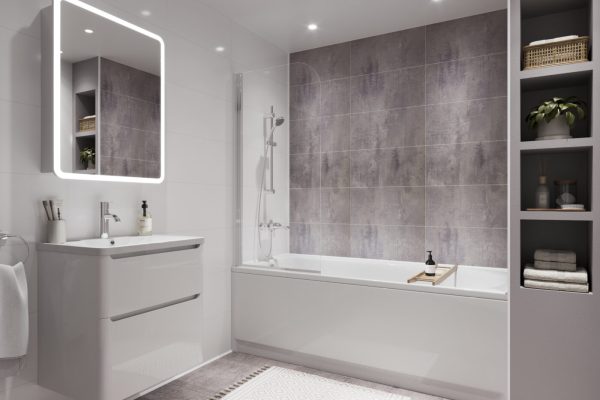
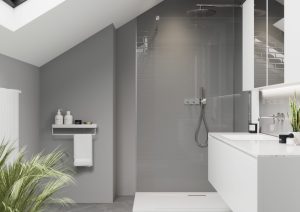
Wall panels are the most common alternative people land on. They cover the same surfaces that bathroom wall tiles traditionally cover — around the bath, in the shower enclosure, behind the basin — but without the grout lines and without the ongoing maintenance that comes with them.
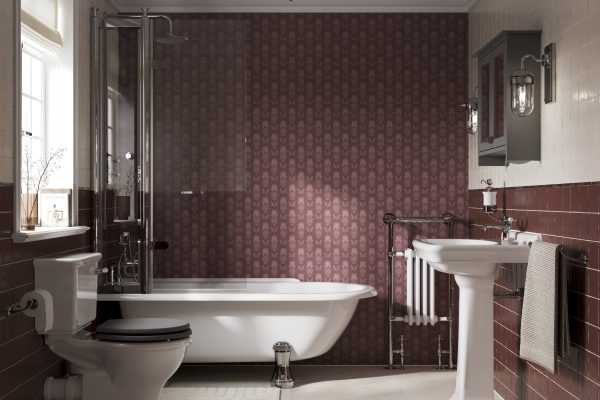
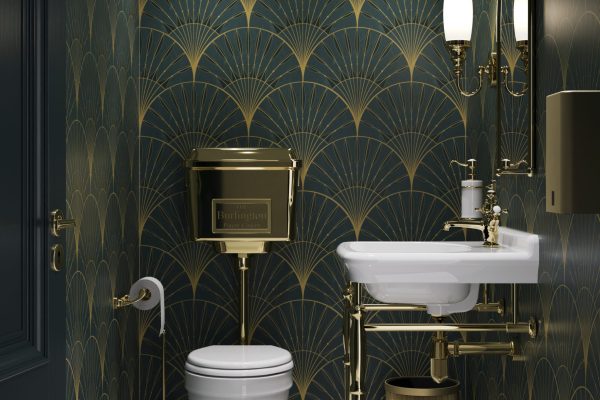
The look has improved considerably. Early wall panel options had a reputation for looking slightly plasticky or cheap. That is no longer the case. Panels now come in finishes that closely mimic stone, marble, wood and tile — and some collections go further, with textures that feel genuinely close to the real thing.
Why Grout Is the Key Issue?
Ask someone why they switched from tiled bathroom walls and the answer is almost always grout. Not the tiling itself. The grout.
Grout is porous. In a shower or wet room, that means it is constantly absorbing moisture. Over time it discolours, develops mould, and becomes almost impossible to get truly clean. You can scrub it, seal it, and replace it — but the cycle tends to repeat.
A bathroom with no grout lines is simply easier to live with. Wipe the surface clean in seconds. No scrubbing. No resealing. No patches of black mould in the corner of the shower that you have been meaning to deal with for three months.
The Practical Case for Wall Panels
Beyond the grout issue, there are a few practical reasons why wall panels are a sensible choice for a lot of bathrooms.
They can go over existing tiles
All Showerwall collections — including the Compact Collection — are designed to fit directly over existing bathroom tiles. No stripping back. No disposal of old tile. Just a clean new surface on top of what’s already there. For rental properties and quick refurbishments, that makes a significant difference to the project timeline and cost.
They are waterproof when fitted correctly
Good wall panels form a complete moisture barrier. There is no grout to let water through, and the panel itself is non-porous. The key is correct installation — the joins need to be sealed properly and the panels need to be fitted following the manufacturer’s guidance. When that is done, the surface is genuinely waterproof.
Long-term guarantee
Showerwall panels come with a 30-year guarantee when installed correctly. That is the kind of longevity that makes a renovation feel like a decision rather than a delay. Browse the full range at showerwall.co.uk.
What About the Look?
This is the question most homeowners arrive at once the practical case has been made. Wall panels might be easier to maintain than bathroom wall tiles — but do they look as good?
The honest answer is: it depends on the collection and the finish.
At the premium end, panels like those in the Majestic Collection offer a Synchro finish that is genuinely hard to distinguish from real stone. The Impression Collection uses textured surfaces to mimic the depth of natural materials. And the Acrylic Collection has a high-gloss and matt finish that feels closer to glass than plastic.
The design options have expanded significantly. With 113 finishes available across the Showerwall range, finding something that suits the bathroom you have in mind is not difficult. The harder part is often narrowing it down.
Is This Right for Your Bathroom?
Wall panels are not the answer for every bathroom. If you love the look of handmade zellige tiles or want genuine natural stone, panels will not replicate that exactly. The real thing has a quality that reproductions approach but do not quite match.
But for most residential bathrooms — particularly those being fitted for longevity, ease of maintenance, or with a renovation budget that needs to work hard — wall panels are worth serious consideration.
If you are weighing up wall panels against retiling, the best first step is to order a free sample. Colours look different on screen than in person, and feeling the surface makes a difference to how you judge the finish. Order up to three free samples at showerwall.co.uk.
Where to Buy Showerwall Panels
Showerwall panels are available through a network of independent bathroom retailers across the UK.
Browse the full collection: https://showerwall.co.uk
Find a stockist near you: showerwall.co.uk/find-a-stockist
Order free samples: showerwall.co.uk/free-samples