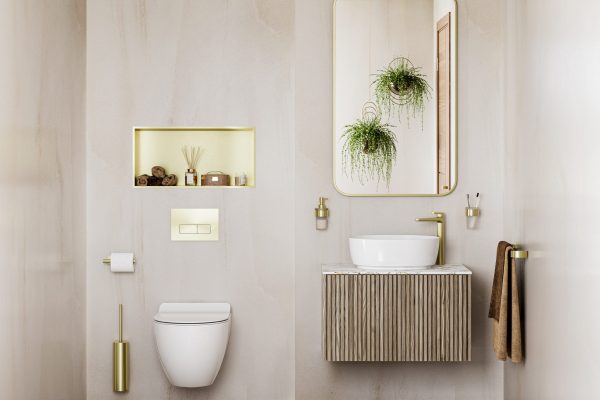
Bathroom design continues to evolve beyond purely functional layouts, with homeowners and installers seeking solutions that balance practicality, aesthetics, and efficiency. One feature that has seen notable growth in popularity is the integrated shower niche — a built-in storage recess designed to sit seamlessly within wall panels.
As demand for streamlined interiors increases, integrated niches are becoming a preferred alternative to surface-mounted storage or traditionally tiled recesses. For those exploring modern wall panelling solutions such as those available through Showerwall, understanding what to consider before specifying or installing integrated niches can help maximise both performance and installation efficiency.
Why Integrated Niches Are Gaining Momentum
Integrated niches offer a combination of visual simplicity and everyday convenience. By providing storage space for toiletries without interrupting the clean lines of a shower enclosure, they support the minimalist aesthetic increasingly favoured in contemporary bathroom design.
However, their rising popularity isn’t purely visual. Practical advantages are driving adoption across residential and commercial projects alike. Installers appreciate the reduction in complex detailing compared with constructing tiled recesses, while homeowners value the ease of maintenance associated with grout-free surfaces.
Within panel systems such as those offered by Showerwall, niches can be incorporated in a way that aligns with the broader waterproofing strategy—supporting consistent finishes and simplified installation workflows.
Waterproofing Considerations
As with any shower feature, waterproofing remains a primary concern. It is important to remember that moisture protection comes from the complete panel system, sealing methods, and installation techniques, rather than from any single component.
Integrated niches designed as part of a coordinated panel approach align with this principle. When installed correctly within a sealed system such as those promoted by Showerwall, they contribute to maintaining watertight integrity while supporting cohesive design continuity.
Installers should therefore ensure that:
- Sealing guidelines are followed carefully
- Joint trims and adhesives are applied correctly
- Compatibility with the surrounding panels is confirmed
Attention to these fundamentals helps ensure the niche enhances rather than compromises system performance.
Placement and Practicality
Location planning plays a key role in determining the usability of an integrated niche. Height, reachability, and orientation all influence how effectively the space serves everyday needs.
Common considerations include:
- Accessibility for users of different heights
- Avoiding interference with fixtures or shower fittings
- Balancing visual symmetry with functional positioning
- Ensuring structural suitability of the installation area
Early planning allows niches to be incorporated seamlessly into panel layouts rather than treated as afterthoughts. This proactive approach helps maintain both visual flow and installation efficiency.
Design Integration and Aesthetic Impact
Integrated niches present opportunities for subtle design expression. Whether matching surrounding panels for a seamless appearance or using contrasting finishes to create visual emphasis, they contribute to the overall atmosphere of a bathroom environment.
Across wall panel collections, coordinated textures and patterns allow niches to blend harmoniously with surrounding surfaces. This helps reinforce contemporary design themes centred on continuity, simplicity, and minimal visual interruption—qualities increasingly sought in modern interiors.
Because panel finishes are manufactured rather than individually installed piece by piece, the result is often more consistent than tile-based alternatives, supporting a polished final presentation.

Durability and Maintenance
Ease of cleaning is another factor contributing to the popularity of integrated niches. Traditional tiled recesses introduce grout lines and joints that can accumulate dirt or require ongoing upkeep.
Panel-based niches, by contrast, benefit from smooth surfaces that are typically simpler to wipe clean and maintain. The absence of grout also lowers the likelihood of discolouration or mould development over time, enhancing long-term user satisfaction.
From both installer and homeowner perspectives, this balance of durability and low maintenance strengthens the appeal of integrated solutions.
Looking Ahead
The growing prominence of integrated niches reflects a broader shift toward smarter bathroom solutions that combine functionality with efficiency. As wall panel systems continue to replace traditional tiling in many projects, features that streamline installation while enhancing usability are likely to remain in demand.
For installers, niches offer time-saving advantages and reduced technical complexity. For homeowners, they provide organised storage, clean aesthetics, and simplified maintenance. Within panel systems such as those offered by Showerwall, they represent a natural extension of system-based thinking—where components are designed to work together to improve overall performance and visual cohesion.
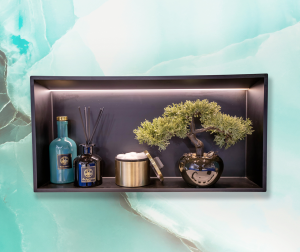
In addition, integrated lighting options within niches are becoming increasingly popular, introducing a subtle yet impactful design feature. Soft illumination can enhance visibility while creating a refined, ambient glow that evokes a luxury hotel feel, elevating everyday bathroom spaces into more considered and relaxing environments.
Integrated niches have evolved from optional design extras to valued practical features within contemporary shower environments. Their increasing popularity stems from their ability to simplify installation, reduce tricky tiling work, and deliver streamlined storage without sacrificing style.
When specified thoughtfully and installed as part of a coordinated panel system, they can enhance both the visual and functional qualities of a bathroom space. As design preferences continue to favour seamless finishes and efficient workflows, integrated niches stand out as a solution that benefits installers and end users alike — combining convenience, reliability, and modern appeal.